
7 Strange Facts About the Isle of Man (and Where to See Them)
· Gilo
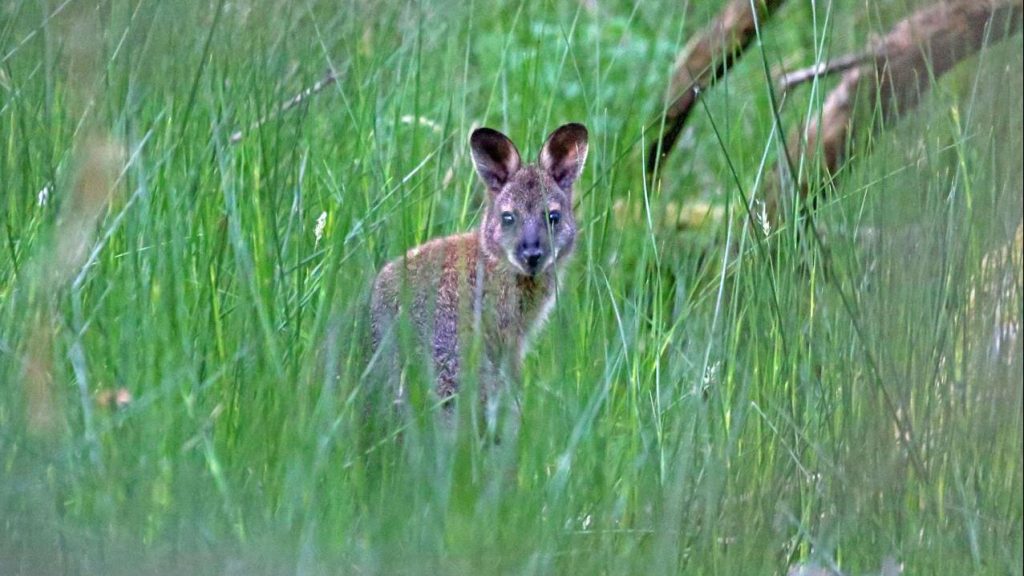
Wild wallabies in a Manx wetland, horse-drawn trams on the capital’s promenade and a parliament that reads out new laws from a grassy hill. The Isle of Man has some wonderfully unusual stories, and several are easy to explore on a weekend visit.
1. Wild wallabies live in the north of the island
Red-necked wallabies escaped from Curraghs Wildlife Park in the 1960s and established a wild population around the Ballaugh Curragh wetlands. The species comes from south-eastern Australia and Tasmania. Manx Wildlife Trust says the growing population is affecting the protected wetland. If you’re exploring with children, Curraghs Wildlife Park is a good place to start.
2. New laws are read aloud from a grassy hill
On Tynwald Day, members of the island’s parliament gather on a four-tiered mound in St John’s. New laws are proclaimed in English and Manx as part of the open-air ceremony. You can see Tynwald Hill on a visit to the village or plan your trip around the annual ceremony.
3. A waterwheel more than 22 metres across once kept mines dry
The Great Laxey Wheel is the largest working waterwheel in the world, according to Manx National Heritage. Known as Lady Isabella, it was built in 1854 to pump water out of the Laxey mines. The mines trail takes you past the workings and to the entrance of a mine tunnel.
4. A mountain tram takes you to the ‘Seven Kingdoms’
On a clear day from Snaefell, the island’s only mountain, you can look out towards England, Ireland, Scotland and Wales. Folklore counts the Isle of Man, the sea and heaven as the other three kingdoms. The Snaefell Mountain Railway runs from Laxey to the summit, where the view depends on whether the clouds lift.
5. People say hello to fairies on the way to the airport
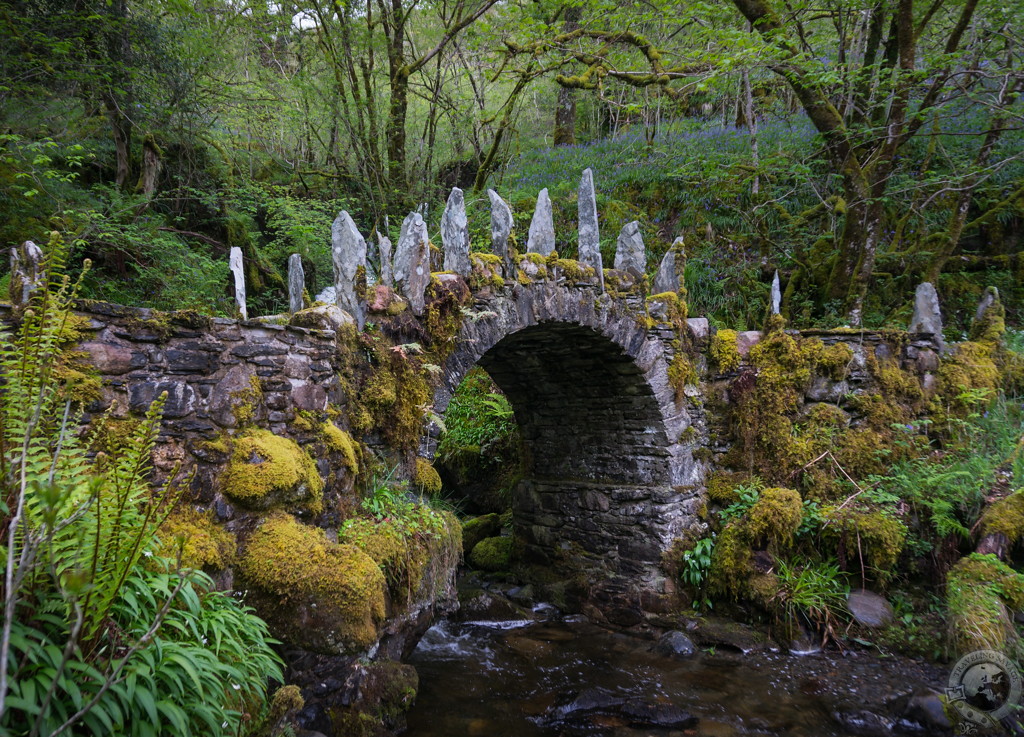
On the A5 between Douglas and Ballasalla, some people still call out a greeting as they cross Fairy Bridge. It’s a small Manx custom you can join in from the car on the way to Castletown or the airport. A simple ‘Hello, fairies!’ will do.
6. Some Manx cats have no tail, and some Manx sheep have six horns
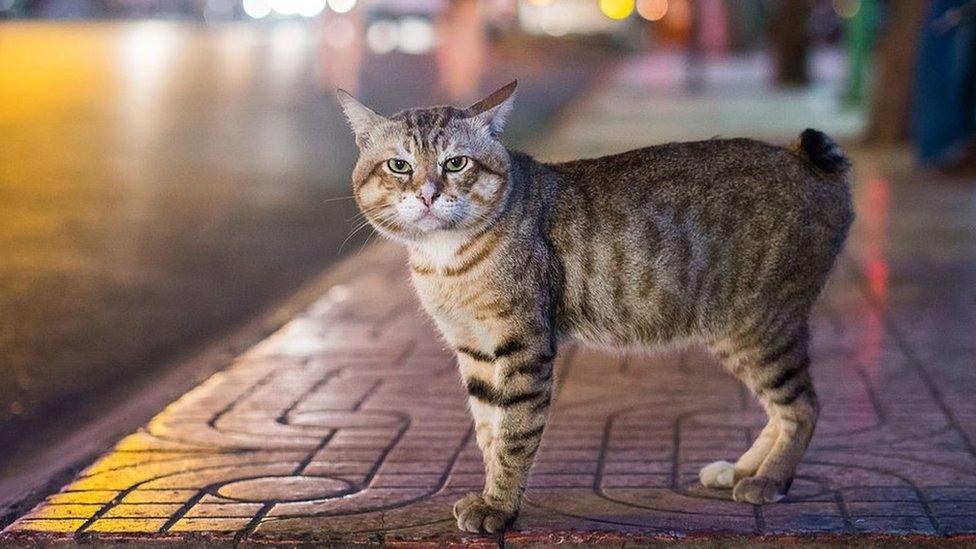
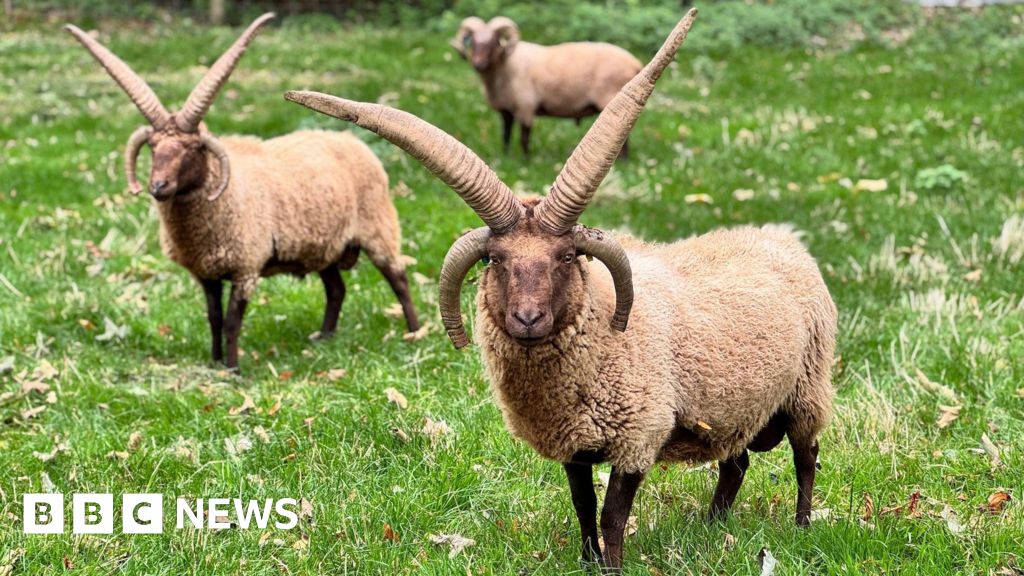
The Manx cat is famous for its short or absent tail. The brown Manx Loaghtan sheep can have two, four or even six horns. At Cregneash Folk Village, look out for both breeds among the thatched cottages and traditional crofts.
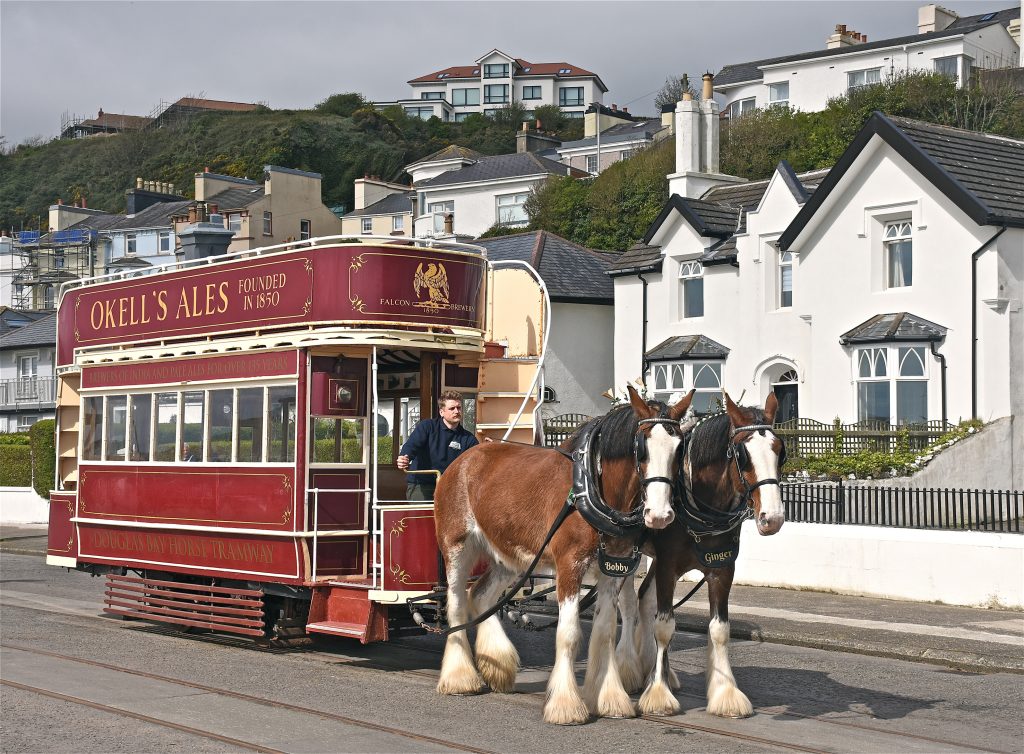
7. You can still ride a horse-drawn tram along Douglas Promenade
The Douglas Bay Horse Tramway opened in 1876 and still uses Victorian and Edwardian tramcars pulled by Clydesdale and Shire horses. At Derby Castle, you can change from horse power to the Manx Electric Railway and continue up the coast to Laxey.
Plan your visit
For a weekend built around these stops, browse places to stay on the Isle of Man and our guide to getting here.
Sources: Manx Wildlife Trust, Tynwald, Manx National Heritage, Visit Isle of Man and Culture Vannin, Manx Loaghtan Sheep Breed Society, Isle of Man Bus and Rail.